
Press, Blogs & Articles
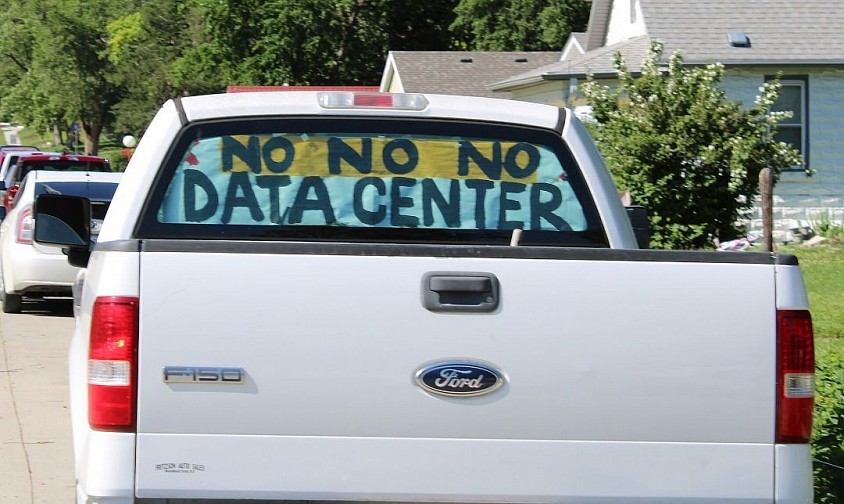
Say no to data centres
The Digital Drought: The Hidden Thirst of AI. Why Today’s AI Infrastructure is Impractical, & How We Build a Sustainable Future.
By Parvathi Haritsa
Founder - Adityahridayam Foundation
Founder President - Prajaahriday National Party.
Greenhearts Flora Restoration Society is an outreach initiative by Adityahridayam Foundation to successfully sustain an ecologically rich planet for the future of human existence.
Greenhearts Flora Restoration Society proposes this alternative to the current AI data centres crisis through changes in policies in India and abroad to be improvised for an efficient green planet. We approach Prajaahriday National Party through their Waterhouse - A Clean Water Initiative to take up our proposal to urge the governments across the world to implement our policy changes.
The artificial intelligence boom is marketed as an invisible, weightless cloud of pure logic. In reality, it is heavy, hot, and devastatingly thirsty.
As a political movement dedicated to the future of our communities and the protection of our environment, we must confront a harsh reality: the current design of AI data centers is fundamentally impractical. We are heartlessly skinning Mother Earth of her greenery and draining her lifeblood to power digital algorithms.
But our goal cannot simply be to shut down technological progress. Instead, we must enforce a radical, sustainable pivot. We must protect our rivers, stop the corporate commodification of water, and force the tech sector to grow with nature, not at its expense.
The Hidden Crisis: AI’s Insatiable Thirst.
We often hear that AI is hungry for data. What they do not tell you is that it is just as thirsty for water. To understand why today’s data centers are impractical, we must look at how they operate:
Sweating Out the Heat: AI workloads rely on thousands of high-performance Graphics Processing Units (GPUs) running 24/7. These chips generate intense, destructive heat. To keep them from melting, data centers use evaporative cooling towers. They literally spray billions of liters of pristine, potable water into the air, allowing it to evaporate as steam to carry the heat away.
A Small Town in a Single Building: A single large data center can evaporate up to 19 million liters (5 million gallons) of water every single day. That is the equivalent daily water usage of an entire small town, vanished into thin air.
The Double Consumption: The problem runs deeper than the facility itself. The massive amounts of electricity required to power these centers are often generated by traditional thermal or gas power plants, which consume billions more liters of water for steam generation and off-site cooling.
The Corporate Trap: Premium Pricing vs. Human Rights
There is a growing, dangerous whisper among global technocrats that water scarcity could be an "opportunity" for governments to start selling water at premium prices. We must vehemently reject this.
Using a crisis created by wealthy tech conglomerates as an excuse to privatize and monetize water is an attack on human rights. Premium pricing will not magically create more water; it will simply allow tech giants to outbid local farmers, small businesses, and families for a basic survival resource. This is already causing severe friction in water-stressed regions, where local communities are actively pushing back against data infrastructure out of fear that their aquifers will be drained dry. Water must remain a public trust, not a corporate luxury asset
Beyond Water: The Neighboring Obstacles
The impracticality of today’s AI infrastructure extends far beyond the water tap. When a massive data center drops into a locality, it brings a host of severe, practical obstacles for neighboring communities:
Grid Strain and Blackouts: Data centers are energy vampires. They pull massive, steady loads of electricity from the local grid. In many regions, this surges local energy demands, driving up electricity bills for residents and increasing the risk of rolling blackouts during peak seasons.
Ecosystem Destruction (Skinning the Greenery): Building these massive concrete fortresses often requires clearing vast tracts of forests and natural landscapes. This strips away the natural canopy, disrupts local wildlife, and creates "heat islands" that worsen regional warming.
Disruption of the Water Cycle: Deforestation and concrete expansion prevent the ground from holding water. Without forests and healthy landscapes to withhold and channel rainwater, precipitation simply runs off, leading to soil erosion, flash floods, and accelerated evaporation of our remaining natural water sources.
The Solution: Building a Sustainable Tech Landscape
We do not need to ban AI, but we must fundamentally rewrite the rules of its existence. We are currently in the "1980s computer stage" of AI—an era of bulky, inefficient, brute-force infrastructure. Just as the computers of the 80s eventually evolved into hyper-efficient microchips, AI infrastructure must undergo a rapid green evolution.
Here are the policy changes our movement champions to make AI practical and sustainable:
1. Mandate Zero-Water Cooling Technologies
Tech companies must be legally barred from evaporating our drinking water. The industry must transition immediately to Waterless Liquid Immersion Cooling. By submerging servers in specialized, non-conductive, non-evaporative fluids or oils, heat can be transferred via closed-loop systems that require zero ongoing water consumption.
2. Enforce 100% Circular Water Recycling
If a data center must use liquid cooling, it should be banned from touching fresh municipal water lines. Governments must mandate the use of internal closed loops and treated municipal wastewater (sewage and industrial water purified strictly for industrial use). Furthermore, facilities must implement rainwater harvesting systems to replenish local aquifers rather than depleting them.
3. Global Eco-Restoration and River Protection
To run data centers, all countries must join hands in an unprecedented ecological effort. We must enrich our greenery, expand our forests, and aggressively clean up our rivers. A healthy, forested landscape naturally regulates local climates, ensures regular scheduled rains, blocks excessive evaporation, and securely channels water into the ground. Tech companies must be heavily taxed to directly fund these massive reforestation projects.
4. Geographic Accountability (Climatic Siting)
It is highly impractical to build massive data centers in hot, drought-prone, or heavily populated agricultural zones. Future data infrastructure must be legally directed to naturally cold climates or coastal areas where deep, cold ocean or lake water can be utilized for cooling and safely returned to the source without evaporation.
5. Policy changes by the Government
Such companies should mandatorily invest 35% of their profits as taxes through CSR activities for
(I). Afforestation of the region of their establishments.
(ii). Switch to renewable energy rather than hydro & thermal electricity.
(iii). Sustain natural aqua channels in the region to ensure native folks are not deprived of their daily needs for consumption and for agriculture of the region.
(iv). Data centres should establish and maintain hospitals, soil & water conservation research facilities to ensure their centres are not causing health hazards due to proximity to humans, flora and fauna of the region.
(v). All data centres are to be housed in the colder or coastal regions of any country to use their natural resources rather than draining inland water.
Without companies agreeing to these conditions data centres should be denied licences and should be shut down.
Conclusion: A Choice for Our Future
Technology should serve not just humanity but all life forms on earth and elevate our potential, not compromise the very planet that keeps us alive. We cannot sit idly while the digital cloud evaporates our rivers and starves our soil.
Our political and environmental vision is clear: We demand a sustainable planet where innovation honors ecological boundaries. We will hold tech conglomerates accountable, protect our public water resources, and ensure that the progress of today does not cost us life earth on earth tomorrow for our future generations.
Join the conversation: How is infrastructure expanding in your local area? What environmental changes are you noticing? Let us know in the comments below, and share this post to help spread the word!
#greeheartsflorarestorationsociety
#adityahridayamfoundation
#panchamipubliccharitabletrust
#SustainableAI #ProtectOurWater #GreenPolitics #EcoFuture
#prajaahridaynationalparty
📷 Image Credits:
Anti data centres sentiments in rural kansas neighbourhood by Catboy69 via Wikimedia Commons / CC BY-A 4.0
Server room at CERN (Switzerland) by Florian Hirzinger via Wikimedia Commons / CC BY-SA 3.0
SIFY side upper Gachibowli Hyderabad India Nov22 by Timothy A Gonsalves via Wikimedia Commons / CC BY-SA 4.0
Serverroom of Balticservers by balticservers.com via Wikimedia Commons / CC BY-SA 3.0
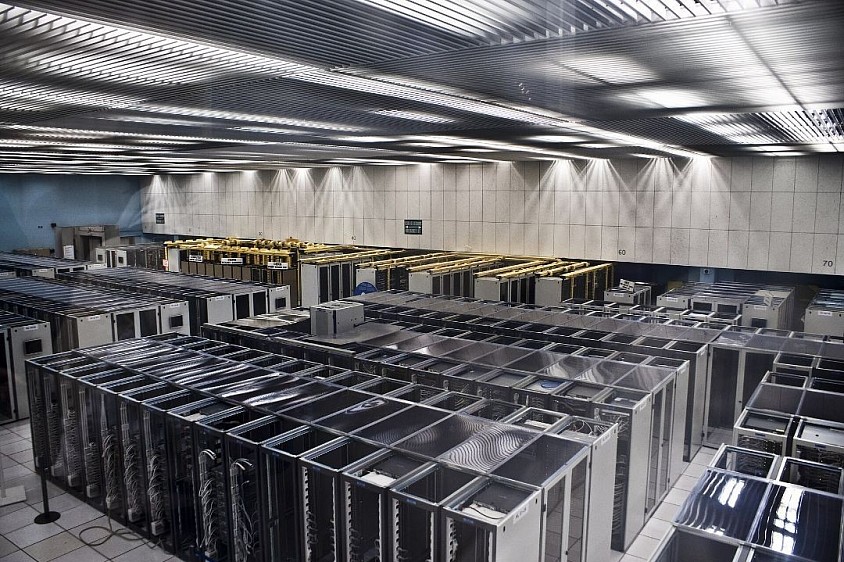
Data centre & it's server room
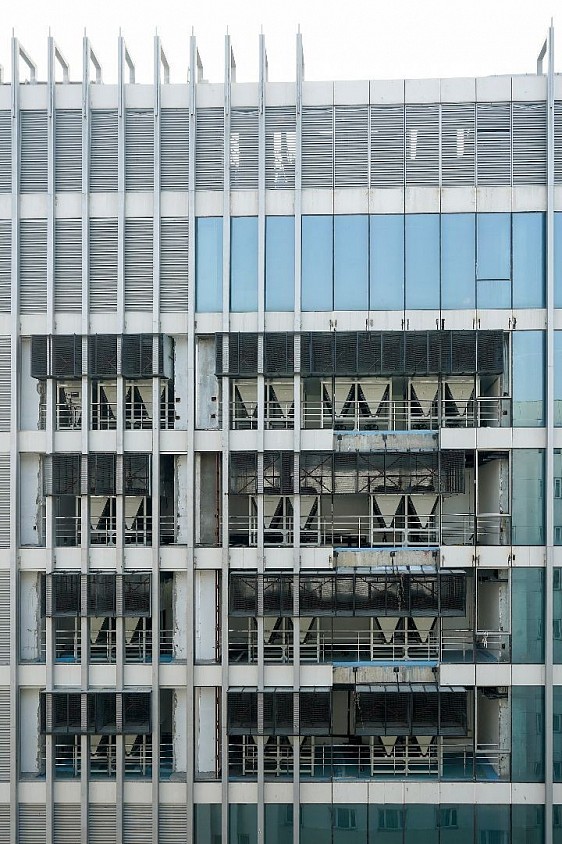
Sify data centre, Hyderabad
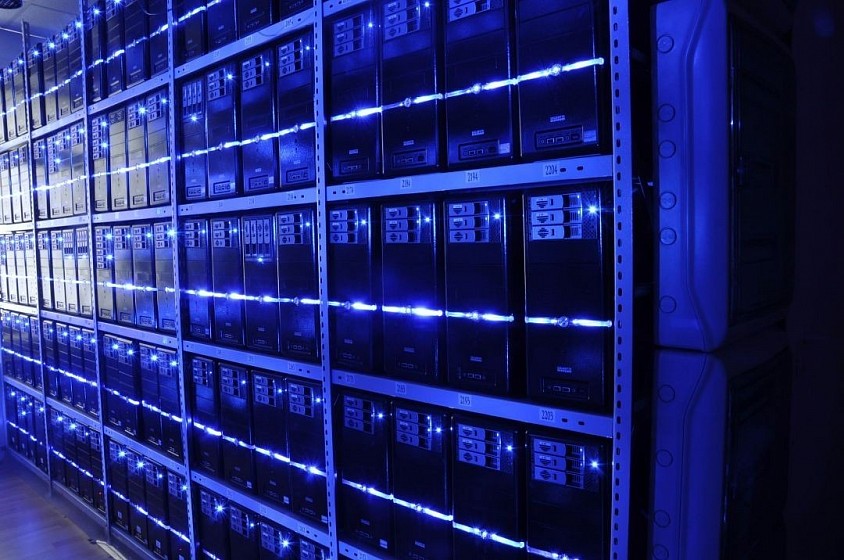
Data centre server room